Hospitality Lighting Design in Malta: Creating Memorable Guest Experiences Through Light
By Olivia Ann Calleja
Hospitality lighting design in Malta plays a crucial role in shaping the atmosphere, identity, and overall experience of a space. Whether designing a restaurant, hotel, café, or bar, lighting is one of the most powerful tools in interior design to influence how guests feel, interact, and remember a place.
As an interior designer working on hospitality projects in Malta, I consider lighting design as an essential part of the concept development process. The right lighting enhances materials, highlights architectural features, and creates a strong visual identity that differentiates a brand from its competitors.
In the hospitality industry, lighting is not only functional — it is part of the overall guest experience.
Why Lighting Design is Essential in Hospitality Interiors
Lighting has the ability to influence mood, behaviour, and perception. In hospitality design, this directly affects how comfortable guests feel and how long they choose to stay in a space.
A well-designed lighting scheme can:
- Create a welcoming atmosphere
- Enhance the visual identity of the brand
- Highlight interior design features
- Improve functionality for staff and guests
- Influence customer experience
- Encourage guests to stay longer
- Improve the overall perception of quality
In Malta’s competitive hospitality market, thoughtful lighting design can make a significant difference in how a space performs.
Layered Lighting Approach in Hospitality Design
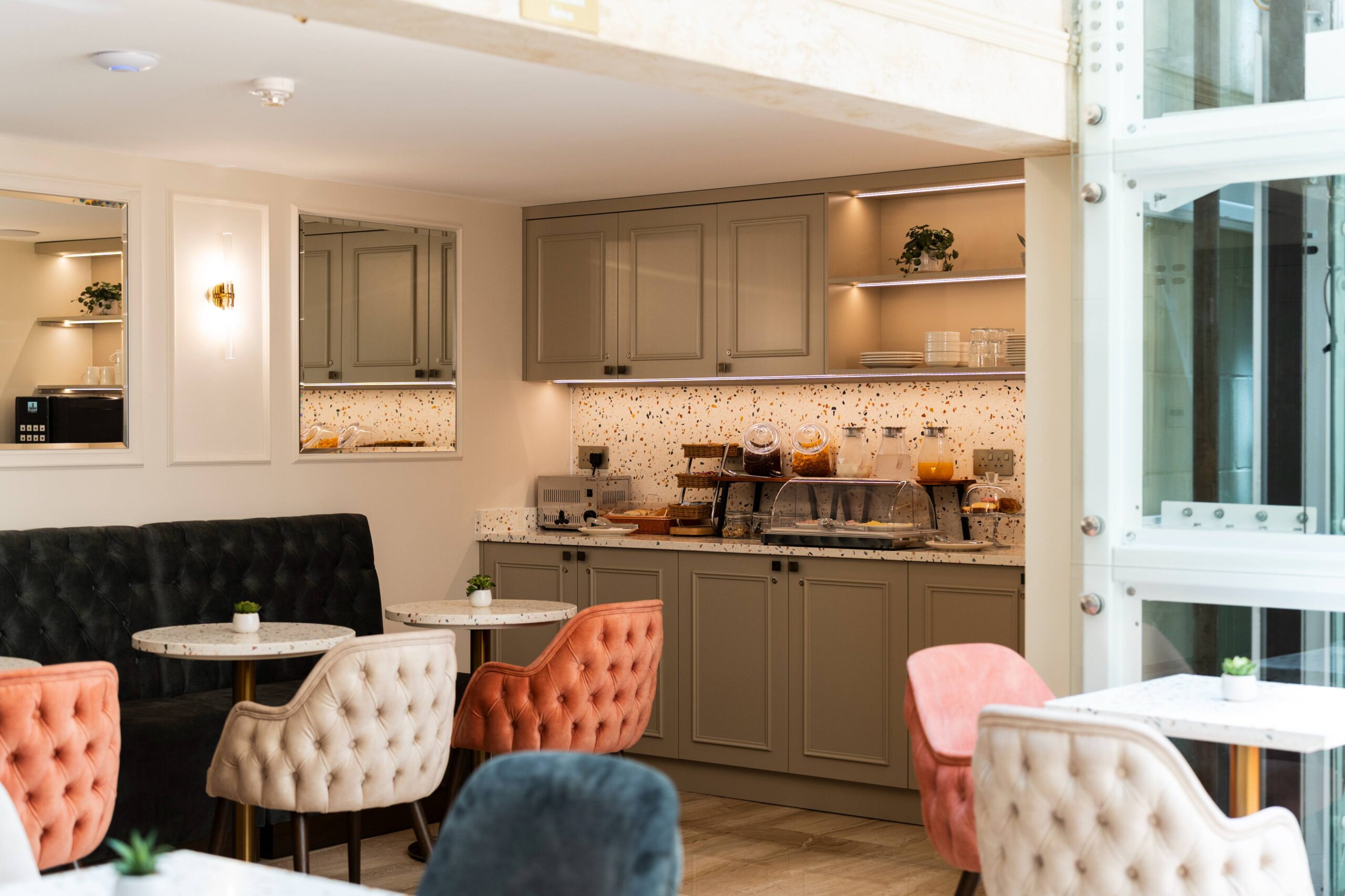
One of the key principles of hospitality lighting design is layering different types of lighting to create depth and flexibility.
A balanced lighting concept usually includes:
Ambient Lighting
Provides general illumination throughout the space, ensuring comfort and visibility.
Accent Lighting
Highlights specific design elements such as textured walls, artwork, bar areas, or architectural details.
Decorative Lighting
Statement fixtures that contribute to the identity of the space and create visual interest.
Task Lighting
Functional lighting used in areas where specific activities take place, such as reception desks, bars, or dining tables.
Combining these layers allows designers to create dynamic spaces that adapt to different times of day and different uses.
Lighting Design for Restaurants in Malta
Restaurant lighting design requires a balance between atmosphere and functionality. Lighting should create a comfortable environment while allowing guests to enjoy their dining experience.
Warm lighting tones are often preferred in restaurants because they create a relaxed and inviting mood.
Key considerations include:
- Comfortable lighting levels at tables
- Accent lighting for feature walls or textures
- Decorative lighting fixtures that enhance brand identity
- Lighting that complements food presentation
- Adjustable lighting scenes for lunch and dinner settings
Well-designed lighting enhances the dining experience and supports the overall concept of the restaurant.
Hotel Lighting Design Concepts
In hotel interiors, lighting must be both welcoming and practical. Guests interact with different spaces such as reception areas, corridors, bedrooms, and bathrooms.
Each area requires a tailored lighting approach.
Hotel lighting design in Malta often includes:
- Soft ambient lighting in reception areas
- Feature lighting elements to create a memorable first impression
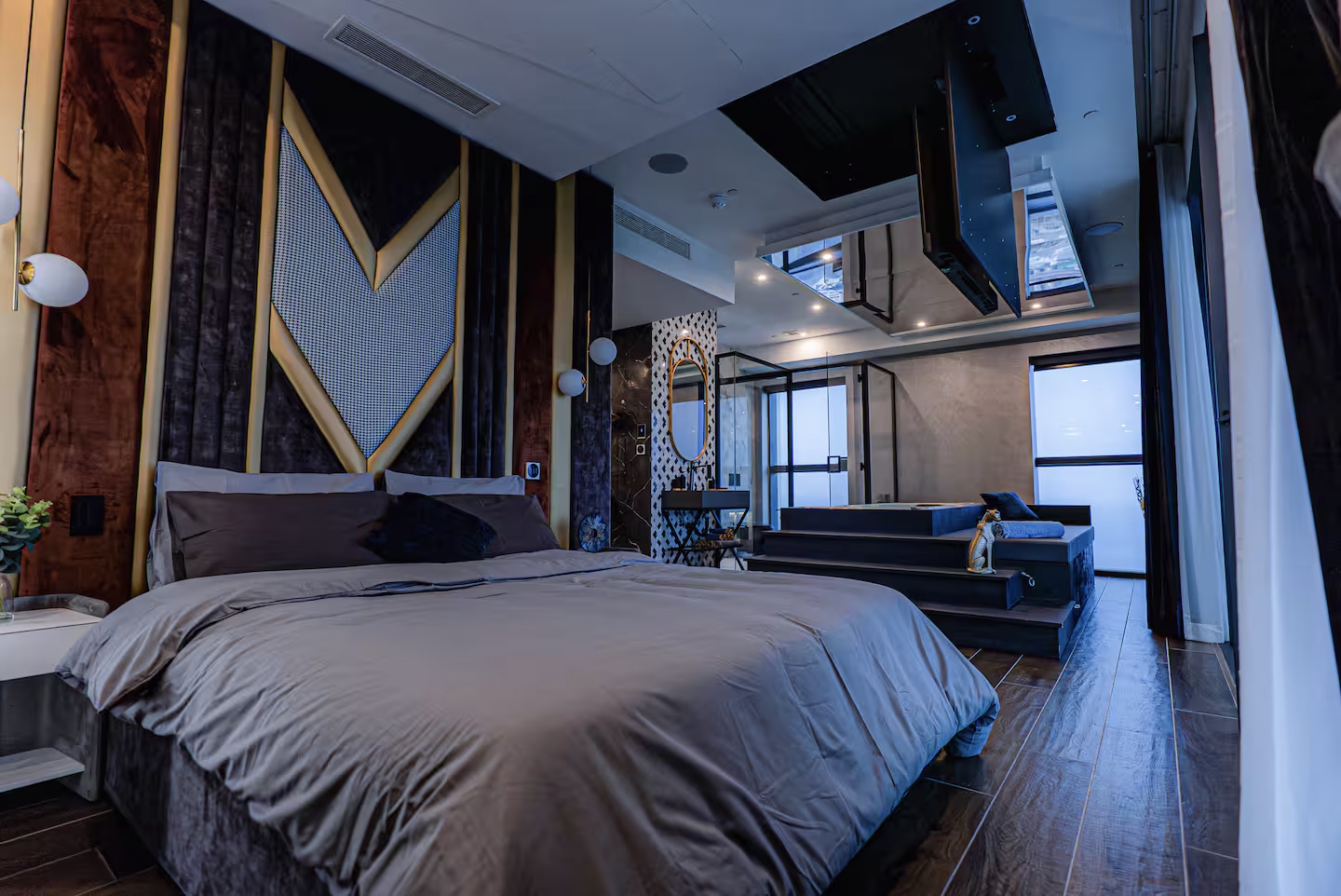
- Comfortable bedroom lighting with dimmable options
- Functional lighting in bathrooms and wardrobes
- Indirect lighting to create calm environments
Consistency in lighting design helps reinforce the brand identity throughout the property.
Bar and Café Lighting Atmosphere
Bars and cafés often require more atmospheric lighting environments.
Lower lighting levels combined with accent lighting can create intimate and comfortable settings.
Lighting is often used to highlight:
- Bar counters
- Shelving displays
- Feature walls
- Decorative elements
- Seating areas
Lighting can also influence how vibrant or relaxed the environment feels, depending on the concept of the venue.
Importance of Colour Temperature in Hospitality Lighting
Colour temperature has a significant impact on the perception of a space.
Warm lighting creates inviting and comfortable environments, while cooler lighting can feel more energetic and modern.
In hospitality interiors, warm lighting is often used in guest areas, while neutral or cooler lighting may be used in functional zones such as kitchens or preparation areas.
Balancing colour temperature ensures both comfort and practicality.
Energy Efficient Lighting Solutions for Hospitality Spaces
Energy efficiency is becoming increasingly important in hospitality design in Malta. LED lighting solutions consume less energy while providing high-quality illumination.
Benefits of energy efficient lighting include:
- Reduced operational costs
- Longer lifespan of lighting fixtures
- Lower maintenance requirements
- Reduced environmental impact
Smart lighting systems can also help optimise energy use by adjusting lighting levels depending on occupancy or time of day.
Lighting as Part of Brand Identity
Lighting design contributes significantly to brand recognition. A consistent lighting concept helps create a strong visual identity that guests associate with the brand.
For example:
- Feature lighting can become part of the visual signature of the space
- Lighting can highlight brand colours and materials
- Unique lighting installations can create memorable experiences
- Well-lit interiors are more visually appealing in photography and social media
In today’s digital world, visually attractive interiors can contribute to increased exposure online.
The Future of Hospitality Lighting Design in Malta
Hospitality lighting design continues to evolve as designers explore new technologies and creative approaches.
Trends in Malta include:
- Integrated LED lighting
- Concealed lighting details
- Smart lighting systems
- Adjustable lighting scenes
- Minimalist lighting fixtures
- Sustainable lighting solutions
Lighting design is becoming increasingly integrated with the overall interior concept, rather than being considered only as a technical requirement.
Conclusion
Hospitality lighting design in Malta is a key element in creating successful and memorable interior spaces. Thoughtful lighting enhances atmosphere, improves functionality, and strengthens brand identity.
Whether designing restaurants, hotels, cafés, or bars, lighting plays a fundamental role in shaping guest experiences.
A well-designed lighting concept transforms spaces, creating environments that feel welcoming, comfortable, and visually distinctive.
Lighting is not simply about illumination — it is about creating emotion, atmosphere, and lasting impressions.